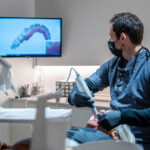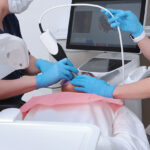

The words “root canal” can make some patients imagine a long and uncomfortable dental procedure. However, modern endodontic technology has changed how dentists can clean and shape the inside of an infected tooth. Rotary endodontics uses specialized powered instruments designed to move through root canals efficiently and precisely. Patients who need treatment for an infected or inflamed tooth can learn more about root canal therapy and how modern techniques can help preserve a natural tooth.
Rotary endodontics in McHenry is not a separate treatment from a root canal. Instead, it is a technology that may be used during root canal therapy. The system helps the dentist remove infected tissue, shape the internal canals, and prepare them for cleaning and sealing. Understanding how this technology works can make root canal treatment feel less mysterious and help patients know why preserving an infected tooth is often worth considering.
What Is Rotary Endodontics?
Endodontics is the area of dentistry concerned with the tissues inside teeth, particularly the pulp and root canal system.
When the pulp becomes severely inflamed or infected, root canal treatment may be needed to remove the damaged tissue and clean the internal space.
Rotary endodontics refers to the use of specialized engine-driven instruments during this process.
Rather than relying only on manually moved files, a rotary endodontic handpiece powers flexible instruments that rotate or move in controlled patterns inside the canals.
These instruments help the dentist shape the root canal system so it can be thoroughly cleaned, disinfected, and filled.
Why Does a Tooth Need Root Canal Treatment?
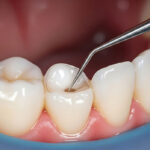
A healthy tooth contains a soft inner tissue called pulp. It contains nerves, blood vessels, and connective tissue.
The pulp can become inflamed or infected when bacteria reach it through deep decay, a crack, repeated dental treatment, trauma, or another pathway.
Symptoms may include:
- Persistent tooth pain
- Strong sensitivity to hot or cold
- Pain when biting
- Swelling near the tooth
- A pimple-like area on the gums
- Darkening or discoloration of a tooth
- Tenderness around the gumline
However, infected teeth do not always produce dramatic symptoms.
When the pulp cannot recover, removing the diseased tissue may allow the tooth to be preserved rather than extracted.
What Happens During Root Canal Therapy?
Root canal therapy begins with diagnosis. The dentist evaluates symptoms, examines the tooth, and uses dental imaging when appropriate.
Once treatment begins, the area is numbed to support patient comfort. An opening is created so the dentist can access the pulp chamber and root canals.
Inflamed or infected tissue is removed. The canals are then cleaned, shaped, and disinfected.
This is where rotary endodontics may be used. Powered files help the dentist prepare the internal spaces for effective cleaning and filling.
After the canal system has been treated, it is filled and sealed. A temporary restoration may be placed until the final restoration is completed.
Many root canal treated teeth later require a crown or another restoration to protect the remaining tooth structure.
How Does a Rotary Endodontic Handpiece Work?
A rotary endodontic handpiece powers specialized files designed for use inside root canals.
The instruments are available in different shapes and sizes so the dentist can gradually prepare the canals.
Many modern files are made from flexible materials that allow them to follow curved root anatomy more effectively than rigid instruments could.
The dentist controls the sequence, speed, movement, and depth of the files based on the anatomy of the tooth.
Rotary endodontics does not mean the procedure becomes automatic. Professional judgment remains essential throughout treatment.
The technology simply provides instruments that can help make canal preparation more controlled and efficient.
Why Are Root Canals So Small and Complicated?
A tooth may look simple from the outside, but its internal anatomy can be surprisingly complex.
Some teeth have one root and one main canal, while others may have several roots and multiple canals.
Canals can also curve, narrow, branch, or have unusual shapes.
Because bacteria and infected tissue can remain inside these spaces, the dentist must carefully clean and shape the root canal system before sealing it.
Rotary endodontics helps dentists work within these narrow internal spaces using instruments designed specifically for canal preparation.
Additional technologies and imaging may also be used when anatomy is complex.
Benefits of Rotary Endodontics
Rotary endodontics can provide several advantages during appropriately selected root canal procedures.
- Efficient canal preparation: Powered instruments can help shape root canals efficiently during treatment.
- Controlled instrumentation: Specialized files allow the dentist to prepare narrow internal spaces in a planned sequence.
- Flexibility in curved canals: Modern endodontic instruments are designed to navigate many types of root anatomy.
- Support for thorough cleaning: Proper shaping creates access for irrigation and disinfection of the canal system.
- Reduced reliance on manual filing alone: Rotary technology can make instrumentation more efficient compared with exclusively hand-operated techniques.
- Comfort-focused treatment: Greater efficiency can help create a smoother overall patient experience.
- Preservation of natural teeth: Rotary technology supports root canal therapy, which is designed to save teeth that might otherwise require extraction.
- Modern endodontic care: Specialized equipment gives the dentist additional tools for managing infected or inflamed teeth.
Technology does not guarantee the success of a root canal by itself. Diagnosis, cleaning, disinfection, sealing, restoration, and follow-up all remain important.
Does Rotary Endodontics Make Root Canal Treatment Faster?
Rotary instrumentation can make portions of canal preparation more efficient.
However, treatment time depends on many factors, including the number of canals, tooth location, infection level, anatomy, previous treatment, and whether complications are present.
A straightforward tooth with simple anatomy may take less time than a molar with multiple curved canals.
The dentist should never rush a root canal merely because powered instruments are available.
The goal is to clean and prepare the tooth carefully while maintaining patient comfort and treatment quality.
Is Rotary Endodontics More Comfortable?
Root canal comfort depends on several factors, including effective local anesthesia, inflammation level, treatment technique, communication, and procedure length.
Rotary endodontics can contribute to an efficient treatment process, which may make the overall experience easier for patients.
However, it does not eliminate the need for anesthesia.
The tooth and surrounding tissues are numbed before treatment when appropriate.
Patients who feel nervous should tell the dental team before the procedure. Understanding the steps and knowing how comfort will be managed can reduce uncertainty.
Why Do Root Canal Instruments Need to Be Flexible?
Root canals are rarely perfectly straight tubes.
Many curve as they travel through the root. Some canals are narrow, flattened, or irregular.
Flexible instruments are helpful because they can better follow these natural curves while the dentist shapes the internal space.
Modern endodontic file systems are designed with this anatomy in mind.
Nevertheless, every tooth is different. The dentist may combine rotary files with hand instruments, irrigation systems, imaging, and other techniques depending on the case.
What Is the Role of Cleaning Solutions During a Root Canal?
Mechanical files shape the canals, but instrumentation alone cannot contact every microscopic surface inside a tooth.
For this reason, cleaning and disinfecting solutions are used during root canal therapy.
Shaping the canal provides space for these solutions to move through the internal system and helps remove debris.
Rotary endodontics and irrigation therefore work together.
The files prepare the internal anatomy, while disinfecting solutions help clean areas that instruments may not physically touch.
This combination is important because the purpose of root canal therapy is not merely to create space. The goal is to reduce infection and seal the treated canal system.
Will I Need a Crown After Rotary Endodontic Treatment?
Rotary endodontics is the method used during the root canal portion of care. It does not replace the need to restore the tooth afterward.
A tooth that requires root canal therapy may already have substantial decay, a large filling, a crack, or weakened structure.
After the internal infection is treated, the tooth may require a permanent restoration to help protect it during chewing.
Back teeth commonly need crowns because they experience significant biting forces.
The dentist determines the final restoration based on the amount of healthy tooth remaining, tooth location, bite forces, and other factors.
Patients should complete the recommended restoration rather than assuming the tooth is finished as soon as the root canal appointment ends.
Can Rotary Endodontics Save a Tooth That Would Otherwise Be Removed?
Root canal therapy is specifically intended to preserve teeth when the internal pulp is infected or irreversibly inflamed.
If the tooth has enough healthy structure remaining and the surrounding support is adequate, endodontic treatment may allow it to remain functional.
Rotary endodontics supports this treatment by helping the dentist prepare and clean the canal system.
However, not every damaged tooth can be saved.
A severe vertical fracture, extensive structural destruction, advanced periodontal support loss, or other complications may make extraction necessary.
A dental examination is required to determine whether root canal treatment offers a predictable option.
What Should You Expect After Root Canal Treatment?
The tooth and surrounding tissues may feel tender for a short period after treatment, particularly if significant inflammation was present beforehand.
Patients should follow the dentist’s instructions regarding chewing, oral hygiene, and any recommended medication.
A temporary filling should be protected until the permanent restoration is completed.
Avoid biting very hard foods on the treated tooth if the dentist has advised doing so.
Contact the dental office if you develop increasing swelling, severe pain, loss of a temporary restoration, or another unexpected concern.
Once the final restoration is completed, continue normal brushing, flossing, and preventive dental visits.
Can a Root Canal Treated Tooth Get Another Problem?
Yes. Root canal therapy treats the internal pulp space, but the tooth remains part of the mouth.
It can still experience decay around a filling or crown, cracks, gum disease, or other restorative concerns.
This is why long-term maintenance remains important.
Brush thoroughly, clean around the tooth daily, and have the restoration evaluated during routine examinations.
If a previously treated tooth develops new pain, swelling, or chewing sensitivity, contact the dental office for evaluation.
How Does Rotary Endodontics Fit With Other Dental Technology?
Root canal care can involve several technologies working together.
Digital X-rays may help the dentist evaluate roots and surrounding tissues. In selected cases, three-dimensional imaging can provide additional anatomical information.
Rotary endodontic instruments help shape the canal system, while irrigation helps disinfect it.
After treatment, restorative dentistry protects and rebuilds the tooth.
Modern endodontics is therefore less about one device and more about using appropriate tools at each stage of diagnosis and treatment.
Frequently Asked Questions About Rotary Endodontics
Is rotary endodontics the same as a root canal?
No. Root canal therapy is the treatment itself. Rotary endodontics refers to powered instruments that may be used to clean and shape the canals during treatment.
Does rotary endodontics hurt?
Root canal treatment is generally performed with local anesthesia. Rotary instrumentation works inside the tooth after the treatment area has been prepared and numbed as needed.
Is rotary endodontics faster than hand filing?
Powered instruments can make canal preparation more efficient, although total treatment time depends on tooth anatomy, infection, number of canals, and treatment complexity.
Will I still need a crown after rotary endodontics?
Many root canal treated teeth, especially back teeth, need a crown or another permanent restoration to protect weakened tooth structure after treatment.
Can rotary endodontics save an infected tooth?
Rotary technology supports root canal therapy, which is intended to preserve suitable teeth with infected or irreversibly inflamed pulp. Whether a tooth can be saved depends on its overall condition.
Preserve an Infected Tooth With Modern Endodontic Care
Rotary endodontics helps dentists clean and shape the narrow internal canals of teeth with specialized powered instruments. When combined with accurate diagnosis, effective anesthesia, irrigation, disinfection, sealing, and a strong final restoration, this technology can support efficient root canal treatment and the goal of preserving a natural tooth.
If you have persistent tooth pain, temperature sensitivity, swelling, or another concern that may require root canal treatment, call Unique Smiles of McHenry at (815) 385-0777. Visit us at 4101 W Shamrock Ln, McHenry, IL 60050, or Schedule a Consultation for an endodontic evaluation.