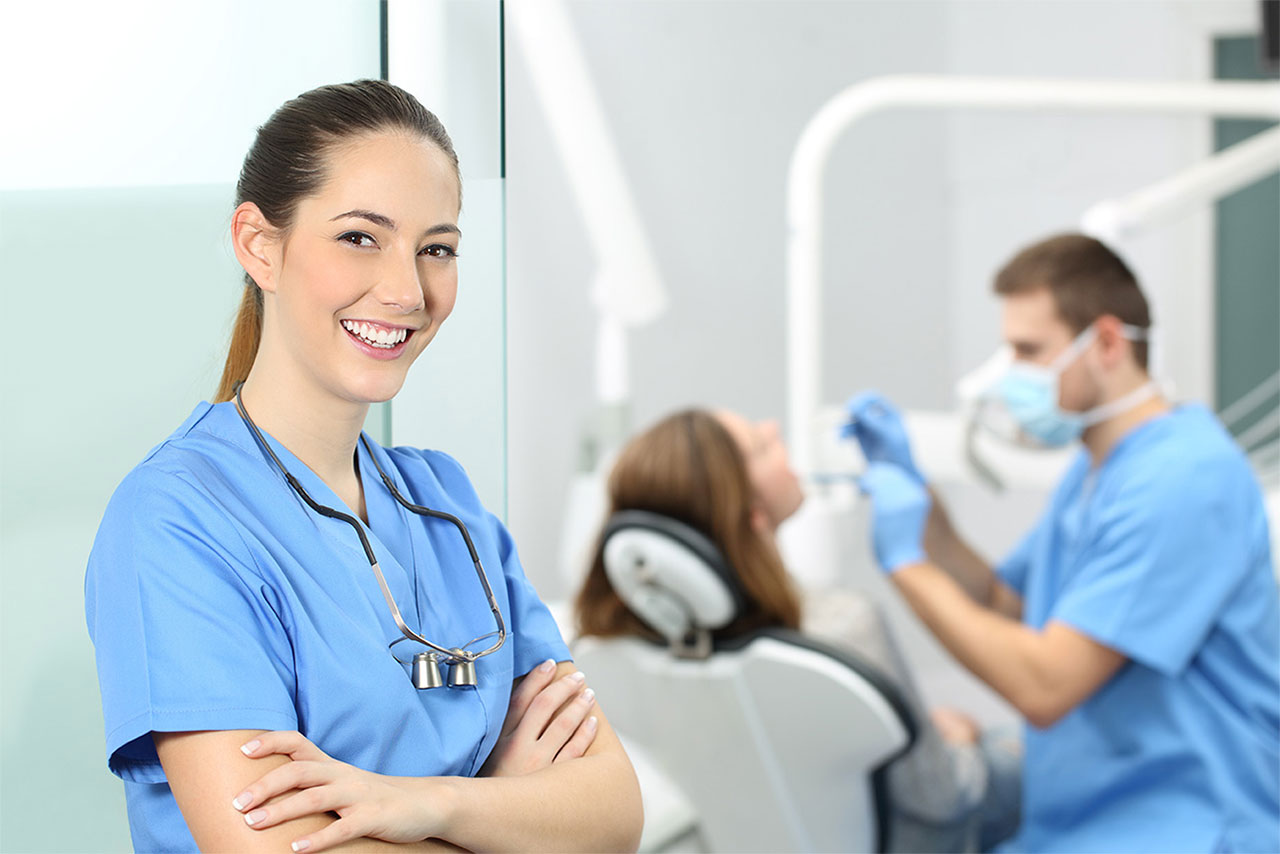
For many patients, the sounds, sensations, and instruments associated with dental treatment can create more concern than the procedure itself. Modern dental technology is changing some of those experiences. Laser dentistry uses concentrated light energy for selected treatments involving teeth or soft tissues, and it may provide a more comfortable and precise approach in appropriate situations. Laser technology can also complement services such as dental cleanings and examinations when gum health needs additional attention.
Laser dentistry in McHenry is not one single procedure. Different dental lasers are designed for different types of tissue and treatment. Some are intended for hard tissues such as teeth, while others are used on gums and other soft tissues. Understanding what dental lasers can and cannot do helps patients appreciate how this technology may fit into a personalized treatment plan.
What Is Laser Dentistry?
Laser dentistry uses focused light energy to interact with dental tissues. The type of laser, wavelength, power, and treatment settings are selected according to the clinical task.
In dentistry, lasers may be used for procedures involving hard tissue, soft tissue, or periodontal care. Some systems may assist with removing small areas of tooth structure, while others can precisely treat gum tissue.
Because laser energy can be highly focused, the dentist can target a specific treatment area while limiting unnecessary contact with nearby tissues.
However, laser dentistry does not replace every traditional dental instrument. Certain procedures still require conventional techniques, and some cases benefit from a combination of technologies.
The dentist decides whether laser treatment offers an advantage for the specific procedure being performed.
What Is the Difference Between Hard Tissue and Soft Tissue Lasers?
Hard tissue lasers are designed to interact with structures such as enamel and dentin. Depending on the system and clinical situation, they may be used during selected restorative procedures.
Soft tissue lasers are designed primarily for gum tissue and other soft oral tissues. They can allow a dentist to make precise changes while simultaneously managing small blood vessels in the treatment area.
This distinction matters because the teeth and gums behave very differently. A tool appropriate for enamel may not be the same technology used for periodontal tissue.
Modern dental offices may therefore use multiple laser systems or technologies depending on the services they provide.
How Can Laser Dentistry Be Used for Gum Care?
Gum health is one area where laser technology may be incorporated into dental care.
Bacteria can collect around and below the gumline, particularly when periodontal inflammation is present. Depending on the patient’s condition, laser therapy may be used as an adjunct to professional hygiene or periodontal treatment.
The purpose is not simply to shine a light on the gums. The laser is selected and used according to specific treatment goals.
Patients with deeper periodontal concerns may still require mechanical removal of plaque and tartar. For example, deep cleaning, also called scaling and root planing, physically removes deposits from tooth and root surfaces.
Laser dentistry may complement certain periodontal procedures, but it does not eliminate the need to remove hardened tartar or maintain excellent home care.
Can Lasers Be Used on Teeth?
Some dental laser systems are designed for hard tissues and may be used during selected procedures involving tooth structure.
Depending on the case, a hard tissue laser may help prepare or modify areas of enamel or dentin. Certain systems can reduce reliance on traditional rotary instruments during appropriate procedures.
This can be appealing to patients who are uncomfortable with the vibration or sound associated with a conventional dental drill.
However, not every cavity or restorative procedure can be completed with laser technology alone. The size and location of the problem, existing restorations, tooth anatomy, and treatment goals all matter.
The dentist determines which approach provides the most predictable result for the individual tooth.
What Is Solea Laser Dentistry?
Solea is a dental laser technology designed for use on hard and soft oral tissues. It can be used for selected dental procedures with an emphasis on reducing some of the sensations patients commonly associate with conventional treatment.
Because the technology works differently from a traditional drill, certain procedures may involve less vibration and different sound characteristics.
Some patients may also require less local anesthetic for selected laser procedures. However, anesthesia needs vary, and comfort should always be evaluated on an individual basis.
The presence of advanced laser technology does not mean every treatment will be completed without anesthetic. Instead, it gives the dental team another clinical option when laser treatment is appropriate.
Why Comfort Matters in Dental Treatment
Patient comfort is not merely a convenience. People who are nervous about dental procedures may delay care, avoid preventive appointments, or wait until a problem becomes more difficult to manage.
Technology that reduces certain sounds, vibrations, or sensations may make treatment feel more approachable for some patients.
In addition, precise treatment can sometimes reduce unnecessary contact with surrounding tissue. This may contribute to a smoother experience during selected procedures.
Nevertheless, comfort depends on more than equipment. Clear communication, adequate anesthesia when needed, gentle technique, and an understanding dental team remain equally important.
Laser dentistry is most valuable when it is integrated into a broader approach focused on individualized care.
Benefits of Laser Dentistry
Depending on the procedure and laser system used, potential benefits of laser dentistry may include:
- Focused treatment: Laser energy can be directed precisely toward a specific area.
- Reduced vibration: Selected hard tissue procedures may involve less of the vibration associated with traditional rotary instruments.
- Soft tissue control: Lasers can provide precise management of gum tissue during appropriate procedures.
- Bleeding control: Certain soft tissue lasers can seal small blood vessels while treating tissue.
- Comfort-focused care: Some patients find laser procedures less intimidating than conventional techniques.
- Versatility: Different dental lasers may be used for hard tissue, soft tissue, or periodontal applications.
- Potentially less anesthetic in selected cases: Some procedures may be completed with reduced anesthesia needs, although this varies by patient and treatment.
- Modern treatment options: Laser dentistry gives dentists another way to customize care according to clinical needs.
No technology is automatically better for every procedure. The benefit depends on choosing the right tool for the right clinical situation.
Does Laser Dentistry Mean No More Dental Drill?
Not completely.
Although hard tissue lasers can reduce the need for a conventional drill in certain situations, rotary instruments remain valuable for many restorative procedures.
Existing crowns or metal restorations, large cavities, difficult access, or specific preparation requirements may make traditional instruments necessary.
In some cases, the dentist may combine laser dentistry with conventional techniques to achieve the best result.
Therefore, patients should think of laser technology as an additional treatment option rather than a total replacement for all traditional dentistry.
Does Laser Dentistry Require Anesthesia?
Sometimes yes, sometimes no.
The need for local anesthetic depends on the type of procedure, depth of treatment, tooth sensitivity, tissue being treated, and the patient’s comfort level.
Some laser procedures may be performed with little or no anesthetic. Others still require numbing for a comfortable experience.
A responsible treatment plan focuses on patient comfort rather than trying to avoid anesthesia simply for the sake of avoiding it.
If dental injections are a source of anxiety, tell the dental team. Understanding that concern can help them discuss comfort options before treatment begins.
Can Laser Dentistry Help Patients With Dental Anxiety?
Laser technology may reduce some of the sensory experiences that contribute to anxiety, particularly noise and vibration during selected procedures.
However, dental anxiety is personal. One patient may be bothered by the sound of equipment, while another may worry about discomfort, injections, loss of control, or past experiences.
Therefore, technology alone does not solve every form of anxiety.
Communication remains essential. Patients should feel comfortable asking what they will feel, how long treatment may take, whether anesthesia is planned, and what they can do if they need a pause.
When laser dentistry is appropriate, it can become one part of a more comfortable overall experience.
How Are Dental Lasers Used During Periodontal Care?
Periodontal treatment focuses on reducing bacterial accumulation and managing inflammation around the teeth.
Mechanical cleaning remains critical because tartar attached to teeth and roots must be physically removed. However, selected laser technologies may be used as an adjunct during periodontal care.
Depending on the treatment plan, laser energy may help reduce bacteria or treat inflamed soft tissue in targeted areas.
After periodontal treatment, patients still need thorough home care and recommended maintenance visits. Laser dentistry does not make the gums permanently resistant to plaque.
The long-term goal is to combine professional treatment with consistent daily oral hygiene.
What Should You Expect During a Laser Dental Procedure?
The experience depends on the procedure. The dental team begins by evaluating the treatment area and determining whether laser technology is appropriate.
Protective eyewear is generally used because dental lasers produce concentrated light energy.
The dentist then directs the laser to the treatment area using settings selected for the specific tissue and procedure.
Patients may notice sounds or sensations different from those associated with conventional instruments. If anesthesia is needed, it will be provided according to the treatment plan.
Afterward, care instructions depend on what was treated. A small restorative procedure may require different guidance from soft tissue or periodontal care.
Is Laser Dentistry Right for Children?
Certain laser technologies may be used for patients of different ages when the procedure is appropriate.
For children who dislike the sound or vibration of conventional dental equipment, laser treatment may sometimes offer a different experience.
However, age alone does not determine whether a laser should be used. The dentist considers the tooth involved, the procedure, the child’s ability to cooperate, and the predictability of the treatment.
Parents should ask what technology is being recommended and why it is suitable for their child’s specific needs.
Frequently Asked Questions About Laser Dentistry
Is laser dentistry painful?
Many laser procedures are designed with comfort in mind, but sensations vary depending on the treatment. Local anesthetic may still be used when necessary.
Can laser dentistry treat cavities?
Hard tissue lasers may be used for selected restorative procedures involving tooth structure. However, not every cavity is suitable for laser treatment alone.
Can dental lasers treat gum disease?
Laser technology may be used as an adjunct during selected periodontal treatments. It does not replace removal of hardened tartar or ongoing periodontal maintenance.
Does laser dentistry eliminate the need for injections?
Some procedures may require less anesthesia, but injections are still necessary for certain treatments. The dentist determines anesthesia needs based on the procedure and patient comfort.
Is laser dentistry safe?
Dental lasers are specialized clinical devices that are used with specific settings, protocols, and protective measures. The dentist determines whether laser treatment is appropriate for the patient’s needs.
Explore Modern Laser Dentistry in McHenry
Laser dentistry gives dentists another way to provide precise, comfort-focused care for selected tooth and gum procedures. From hard tissue applications to soft tissue and periodontal treatment, modern dental lasers can reduce some of the sounds, vibrations, and tissue disruption associated with traditional techniques. The best approach, however, always depends on the procedure and the needs of the individual patient.
To learn more about laser dentistry in McHenry, call Unique Smiles of McHenry at (815) 385-0777. Visit us at 4101 W Shamrock Ln, McHenry, IL 60050, or Book an Appointment to discuss which modern dental technologies may be appropriate for your care.