
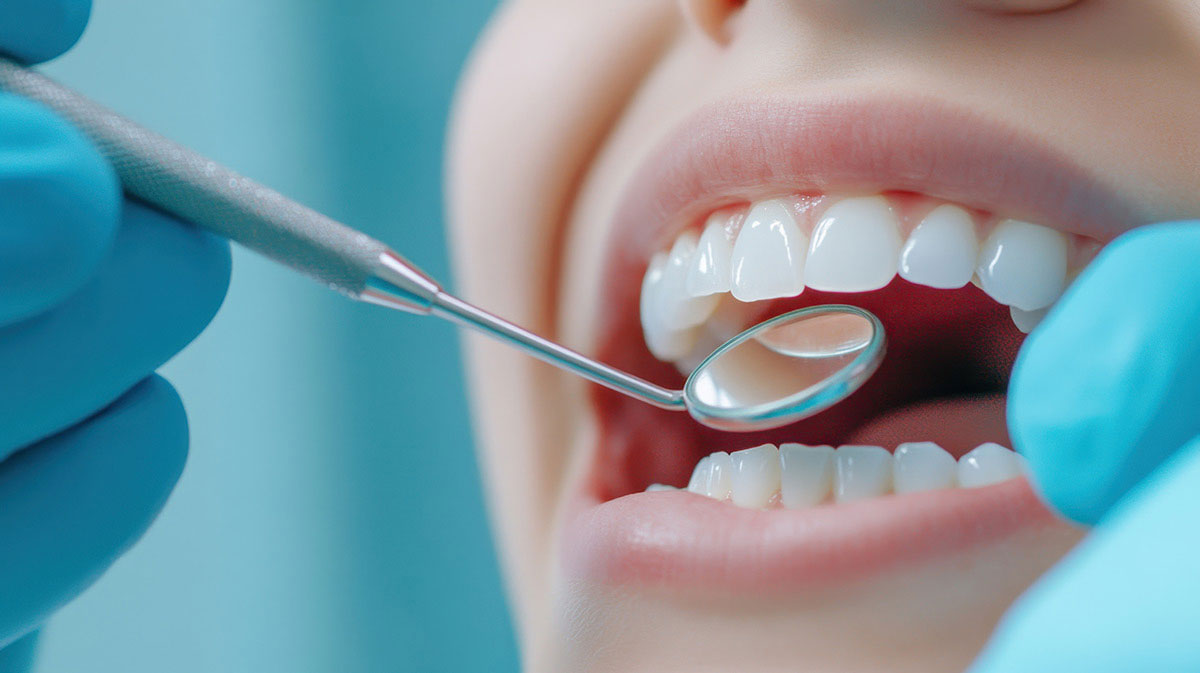
A healthy smile is built mostly during the hours you are not sitting in a dental chair. While professional care plays an important role, everyday habits determine how much plaque remains on your teeth, how well your gums stay clean, and how effectively you reduce the risk of common oral health problems. Learning better dental hygiene techniques can make your daily routine more effective without making it complicated.
Good dental hygiene in McHenry is not about brushing harder or buying every product on the dental aisle. Instead, it involves using the right techniques consistently. Brushing thoroughly, cleaning between the teeth, limiting frequent sugar exposure, drinking water, and keeping up with preventive dental visits all work together. When these habits become part of your normal routine, protecting your smile can feel much more manageable.
Why Daily Dental Hygiene Matters
Plaque begins forming on teeth throughout the day. This sticky film contains bacteria that interact with foods and drinks, particularly carbohydrates and sugars. When plaque remains on tooth surfaces, acids produced by bacteria can contribute to enamel breakdown. Meanwhile, plaque that accumulates near the gumline can irritate gum tissues.
Daily dental hygiene helps interrupt this process before plaque has more time to collect. Brushing cleans broad tooth surfaces, while flossing or another interdental method reaches areas between teeth that toothbrush bristles may miss.
However, dental hygiene is not only about preventing cavities. Clean teeth and gums also support fresher breath, healthier periodontal tissues, and the longevity of dental restorations such as fillings, crowns, bridges, and implants.
Although no home routine can guarantee that dental problems will never occur, consistent oral hygiene gives your smile a much stronger foundation.
1. Brush Thoroughly Twice a Day
Brushing remains one of the most important parts of dental hygiene because it removes plaque from accessible tooth surfaces and along the gumline. Most people benefit from brushing in the morning and again before bed.
The nighttime brushing session is especially important because it removes plaque, food particles, and residue that accumulated throughout the day. Going to sleep without brushing allows that buildup to remain on the teeth for many additional hours.
Use gentle pressure rather than aggressive scrubbing. Hard brushing does not necessarily clean better, and excessive force can irritate gum tissue or contribute to wear over time.
Move methodically around the mouth so you do not repeatedly clean the same easy-to-reach areas while missing others. Pay particular attention to back molars, the gumline, and the inside surfaces of front teeth.
2. Give Brushing Enough Time
A rushed brushing session can leave significant areas untouched. Many people underestimate how quickly they move through the mouth, especially during busy mornings.
Aim to spend enough time cleaning every section rather than simply moving the toothbrush around until your mouth feels fresh. Divide the mouth into sections and work through them systematically.
Electric toothbrushes with built-in timers can be useful for some patients. However, a manual toothbrush can also clean effectively when used with good technique.
The most important factor is consistency. Dental hygiene improves when you slow down enough to clean all surfaces rather than focusing only on the front teeth that are easiest to see.
3. Use Fluoride Toothpaste
Fluoride is commonly included in toothpaste because it helps strengthen enamel and supports the tooth’s ability to resist acid challenges. Therefore, choosing a fluoride toothpaste can add an important protective element to daily dental hygiene.
You do not need a large amount of toothpaste to clean effectively. What matters more is brushing thoroughly and using the product consistently.
Some patients may have specific fluoride needs based on cavity history, dry mouth, exposed roots, orthodontic appliances, or other risk factors. In those situations, the dentist may recommend additional fluoride products or strategies.
If you are unsure which toothpaste is appropriate, ask during your next dental cleaning and examination. Personalized recommendations can be more useful than choosing a product based only on packaging claims.
4. Clean Between Your Teeth Every Day
A toothbrush cannot reliably clean the narrow contact areas between teeth. That is why interdental cleaning is an essential part of complete dental hygiene.
Traditional floss works well for many people. However, it is not the only option. Depending on tooth spacing and dental work, patients may also use:
- Floss picks
- Interdental brushes
- Floss threaders
- Water flossers
- Specialized floss for bridges or orthodontic appliances
The best method is one that cleans the area effectively and that you can use consistently.
If floss catches, shreds, or feels unusually difficult in one particular spot, mention it to your dental team. A rough filling edge, tartar buildup, tight contact, or another issue may need evaluation.
5. Pay Attention to the Gumline
Healthy dental hygiene includes the gums, not only the visible crowns of the teeth. Plaque tends to collect where teeth and gums meet, so brushing this area gently is important.
Angle the toothbrush so the bristles can clean near the gumline without aggressive pressure. Meanwhile, floss should gently reach around each side of the tooth rather than snapping forcefully against the gums.
If your gums bleed regularly, do not assume that avoiding the area will help. Persistent bleeding may be a sign of inflammation and should be evaluated professionally.
Improved plaque control can help in many mild cases. However, deeper periodontal problems require professional diagnosis and treatment rather than home dental hygiene alone.
6. Clean Your Tongue
The tongue has a textured surface that can collect bacteria, food particles, and debris. Therefore, cleaning it can be a useful addition to your dental hygiene routine, particularly if fresh breath is a concern.
You can brush the tongue gently with a toothbrush or use a tongue-cleaning device. Start farther back only as comfortably as possible and move forward.
Persistent bad breath should not automatically be blamed on the tongue, however. Gum disease, cavities, dry mouth, certain foods, tobacco use, and other factors may contribute.
If odor continues despite good dental hygiene, bring it up during an examination so the dental team can look for possible oral causes.
7. Drink Water Throughout the Day
Water supports dental hygiene in several ways. It can rinse away loose food particles, reduce the amount of residue left after meals, and support normal saliva function.
Saliva is an important natural defense in the mouth. It helps wash tooth surfaces, neutralize acids, and maintain a healthier oral environment.
Frequent sipping of sweetened beverages has the opposite effect because it repeatedly exposes teeth to sugar and acid. Even drinks that do not seem especially sweet can sometimes create frequent acid exposure.
Choosing water as your everyday beverage is a simple habit that supports both dental hygiene and general hydration.
8. Be Mindful of How Often You Snack
When discussing cavities, people often focus entirely on how much sugar they eat. Frequency matters too.
Each time bacteria are exposed to fermentable carbohydrates, they can produce acids that temporarily lower the pH around the teeth. Frequent grazing can therefore create repeated acid challenges throughout the day.
This does not mean you must eliminate every snack or treat. Instead, consider enjoying sweet foods with meals rather than repeatedly throughout the day.
After eating, water can help rinse the mouth. Meanwhile, maintaining strong dental hygiene habits helps remove plaque where cavity-causing bacteria live.
9. Replace Your Toothbrush or Brush Head Regularly
Toothbrush bristles wear down with use. Once they become frayed, bent, or splayed outward, they may not clean as effectively.
Inspect your toothbrush periodically rather than waiting until it looks extremely worn. If the bristles spread quickly, you may also be using too much pressure.
Patients using electric toothbrushes should replace the brush head according to the manufacturer’s recommendations and its visible condition.
A fresh toothbrush does not replace proper technique, but maintaining your tools makes a good dental hygiene routine easier to perform effectively.
10. Keep Professional Preventive Care Part of Your Routine
Excellent home dental hygiene is essential, but it cannot remove everything. Plaque that hardens into tartar generally requires professional instruments for removal.
Dental examinations also allow the dentist to evaluate areas you cannot easily see. Cavities between teeth, changes around existing restorations, gum inflammation, bite wear, and other concerns may develop before they become painful.
Your recommended visit schedule should be based on your individual needs. Patients with a history of periodontal disease, frequent decay, dry mouth, extensive dental work, or other risk factors may need a different schedule from someone with very low risk.
Home dental hygiene and professional preventive care work best as partners. One does not replace the other.
Benefits of Good Dental Hygiene
A consistent dental hygiene routine supports several aspects of oral health. Potential benefits include:
- Reduced plaque buildup: Regular brushing and interdental cleaning remove bacterial film before it accumulates further.
- Lower cavity risk: Fluoride, plaque removal, and thoughtful eating habits help protect enamel.
- Healthier gums: Cleaning around the gumline can help reduce inflammation associated with plaque.
- Fresher breath: Removing food debris and bacterial buildup can improve everyday freshness.
- Better protection for dental work: Clean margins around fillings, crowns, bridges, and implants support their surrounding tissues.
- Earlier awareness of changes: A consistent routine makes it easier to notice sensitivity, bleeding, chips, or unusual areas.
- Greater comfort: Healthy teeth and gums are generally easier to brush, floss, chew with, and maintain.
- Long-term tooth preservation: Preventive habits support the goal of keeping natural teeth healthy for as long as possible.
Dental hygiene does not need to be perfect to be valuable. Consistency and technique matter more than trying to follow an unrealistic routine for only a few days.
Common Dental Hygiene Mistakes
One common mistake is brushing aggressively because teeth feel cleaner afterward. In reality, excessive pressure can irritate gum tissue without providing a meaningful cleaning advantage.
Another mistake is brushing only the visible front surfaces. Back teeth, inside surfaces, and the gumline deserve equal attention.
Skipping interdental cleaning is also common. Even excellent brushing leaves areas between teeth untouched.
Finally, some patients depend heavily on mouthwash while neglecting mechanical plaque removal. Mouth rinse can be useful in selected situations, but it does not physically remove plaque the way brushing and flossing do.
Should You Brush Immediately After Eating?
Not always. After consuming acidic foods or drinks, the tooth surface may temporarily become more vulnerable to abrasion. Waiting a short period before brushing allows saliva time to help neutralize the oral environment.
In the meantime, rinsing with water is a simple option.
For ordinary meals without significant acidic exposure, maintaining a reliable morning and nighttime dental hygiene schedule is usually more important than trying to brush after every bite of food.
Frequently Asked Questions About Dental Hygiene
Is brushing twice a day enough?
Brushing twice daily is an important foundation, but complete dental hygiene also includes cleaning between the teeth. Floss or another interdental tool helps reach surfaces a toothbrush cannot clean effectively.
Should I use an electric or manual toothbrush?
Either can work well when used properly. An electric toothbrush may be helpful for people who like built-in timers or find consistent brushing motions difficult. Technique and regular use remain the most important factors.
Why do my gums bleed when I floss?
Bleeding may occur when gums are inflamed, particularly when plaque has accumulated near the gumline. However, persistent bleeding should be evaluated because it can also be associated with periodontal disease or other concerns.
Is mouthwash necessary for good dental hygiene?
Not every patient needs mouthwash. Some rinses may be recommended for specific reasons, but mouthwash does not replace brushing, interdental cleaning, or professional dental care.
How can I tell whether my dental hygiene routine is working?
Healthy gums generally appear firm and should not bleed regularly during gentle brushing or flossing. Professional examinations can also help identify areas where plaque continues to collect and where technique can be improved.
Build a Stronger Daily Routine in McHenry
Effective dental hygiene comes from small habits repeated consistently. Thorough brushing, daily interdental cleaning, fluoride toothpaste, water, thoughtful snack habits, tongue cleaning, and preventive dental visits can all contribute to healthier teeth and gums. Most importantly, your routine can be adjusted to fit your particular smile rather than following a one-size-fits-all approach.
If you would like personalized dental hygiene guidance, call Unique Smiles of McHenry at (815) 385-0777. Visit us at 4101 W Shamrock Ln, McHenry, IL 60050, or Book an Appointment to strengthen your preventive care routine.