A tooth does not need to be missing to require significant restoration. Everyday wear, large cavities, cracks, fractures, and previous dental work can gradually weaken teeth. When damage becomes too extensive for a simple filling, a dental crown is often recommended to protect and strengthen the tooth.
Modern restorative dentistry offers several treatment options, but dental crowns remain one of the most reliable ways to preserve teeth that might otherwise continue deteriorating. By covering and reinforcing the damaged structure, crowns help restore function while maintaining a natural appearance.
Understanding when a dental crown is appropriate can help patients make informed decisions about protecting their oral health and preserving their natural teeth.
What Is a Dental Crown?
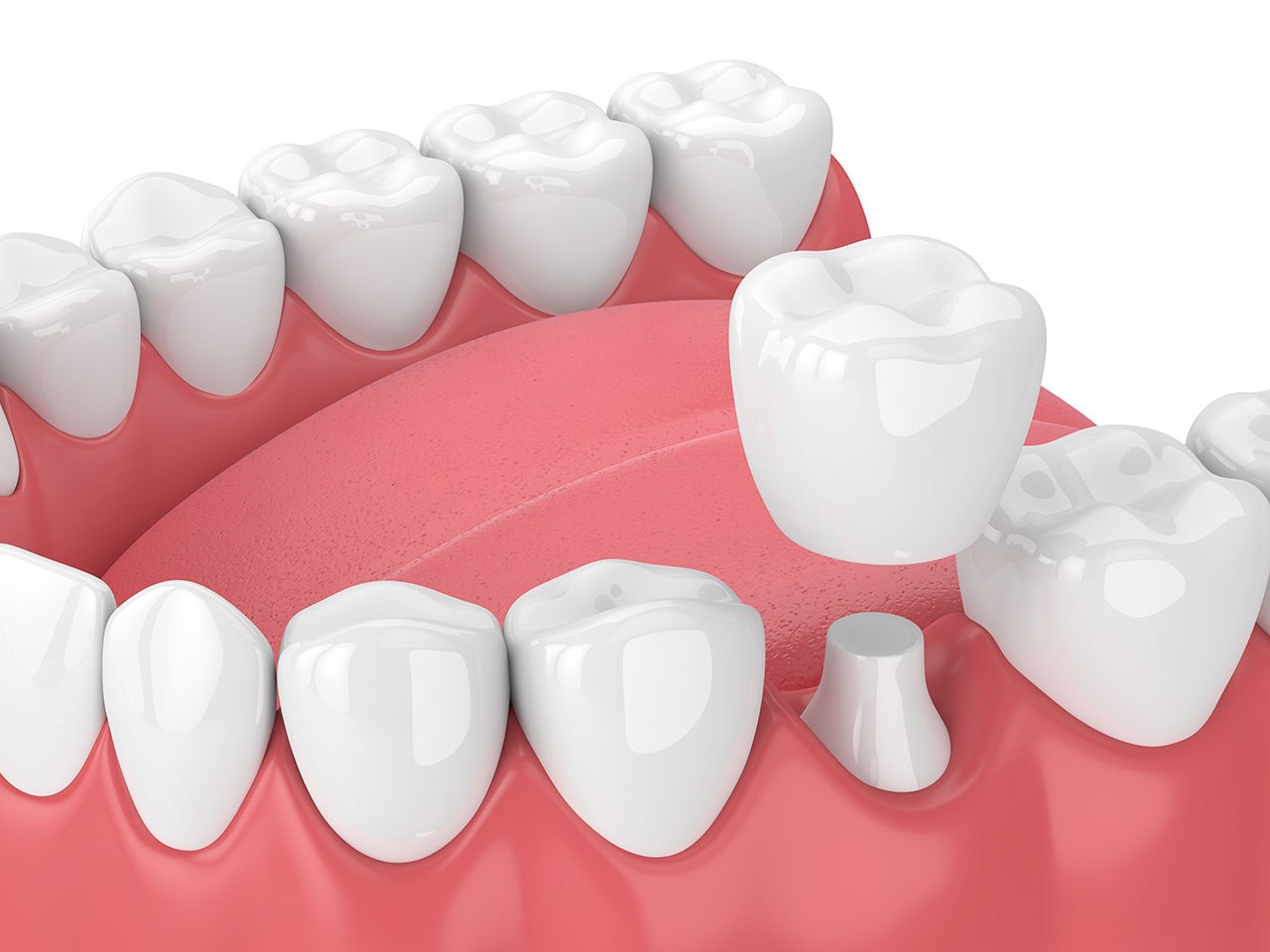
A dental crown is a custom-made restoration that fits over the visible portion of a tooth. Sometimes referred to as a cap, a crown completely covers the damaged tooth structure above the gumline.
The crown is designed to:
- Restore strength
- Improve function
- Protect against additional damage
- Enhance appearance
- Support long-term oral health
Modern crowns are carefully fabricated to match the surrounding teeth, helping create a natural-looking result.
Why Teeth Become Damaged
Teeth experience significant daily stress. Chewing, grinding, accidents, and decay can all contribute to structural damage.
Common causes include:
- Large cavities
- Tooth fractures
- Cracks
- Heavy wear
- Old fillings
- Traumatic injuries
- Root canal treatment
When enough tooth structure is compromised, additional reinforcement becomes necessary.
Signs a Dental Crown May Be Needed
Several situations may indicate that a dental crown is the most appropriate treatment option.
Large Areas of Decay
When a cavity becomes too extensive, a filling alone may not provide adequate support. A crown can help restore strength while protecting the remaining tooth structure.
Cracked Teeth
Cracks can worsen over time if left untreated. Crowns help hold weakened teeth together and reduce the risk of further damage.
Broken or Fractured Teeth
Significant fractures often require full coverage to restore function and protect the tooth.
Root Canal Treatment
Teeth that have undergone root canal therapy may become more vulnerable to fracture. Crowns are frequently recommended to provide additional support.
Severe Wear
Years of grinding or heavy chewing forces can wear teeth down. Crowns help rebuild damaged surfaces and restore proper function.
Benefits of Dental Crowns
Benefits of Dental Crowns
- Protect weakened teeth
- Restore chewing function
- Improve tooth appearance
- Prevent further damage
- Support long-term tooth preservation
- Cover large fillings
- Reinforce cracked teeth
- Restore worn teeth
- Provide natural-looking results
- Help maintain proper bite alignment
These advantages make dental crowns one of the most versatile restorative treatments available.
How Dental Crowns Protect Teeth
The primary purpose of a dental crown is protection. Once a tooth becomes structurally compromised, everyday chewing forces may place additional stress on weakened areas.
By covering the tooth completely, a crown helps distribute those forces more evenly. This added support reduces the likelihood of future fractures and allows the tooth to function more normally.
In many cases, placing a crown helps patients avoid more extensive treatment later.
The Dental Crown Process
Receiving a dental crown typically involves several steps.
The process may include:
- Comprehensive examination
- Preparation of the tooth
- Digital scans or impressions
- Fabrication of the custom crown
- Placement and adjustment
Every crown is customized to fit comfortably and blend naturally with surrounding teeth.
Modern Materials Used for Crowns
Dental crowns can be created from several materials, depending on the specific needs of the patient.
Common options include:
- Porcelain
- Ceramic
- Porcelain fused to metal
- Other durable restorative materials
The chosen material depends on factors such as tooth location, function, and cosmetic goals.
How Long Do Dental Crowns Last?
Dental crowns are designed to provide long-lasting protection. With proper care, many crowns remain functional for many years.
Longevity is influenced by:
- Oral hygiene habits
- Routine dental visits
- Bite forces
- Grinding habits
- Overall oral health
Protecting the crown helps preserve both the restoration and the underlying tooth.
Caring for a Dental Crown
Maintaining a crown requires the same healthy habits recommended for natural teeth.
- Brush twice daily
- Floss carefully around the crown
- Visit the dentist regularly
- Avoid chewing extremely hard objects
- Wear a nightguard if recommended
Good care contributes to long-term success and helps protect your investment in restorative dentistry.
Preserving Natural Teeth Whenever Possible
One of the primary goals of restorative dentistry is preserving natural teeth whenever feasible. Dental crowns play an important role in achieving that objective by strengthening compromised teeth before damage progresses further.
When used appropriately, crowns can extend the life of a natural tooth and improve both comfort and function. Early treatment often provides the best opportunity to preserve healthy tooth structure and avoid more complex procedures.
If you have a damaged, cracked, or weakened tooth, contact Unique Smiles of McHenry at (815) 385-0777 to schedule a consultation at 4101 W Shamrock Lane, McHenry, IL 60050 and learn whether a dental crown may be the right solution for protecting your smile.