What happens after a tooth is lost? Although the empty space may seem like the most noticeable change, missing teeth can also affect chewing, speech, bite balance, and the position of neighboring teeth. For patients looking for a fixed tooth replacement option, dental bridges can provide a practical way to fill the gap and rebuild everyday function.
Dental bridges in McHenry are designed to replace one or more missing teeth using a custom restoration that blends with the surrounding smile. Unlike a removable appliance, a traditional dental bridge stays in place throughout the day. Therefore, patients do not need to take it out for meals or social activities. Understanding how dental bridges work, how they compare with other tooth replacement options, and how to care for them can make treatment decisions much easier.
What Is a Dental Bridge?
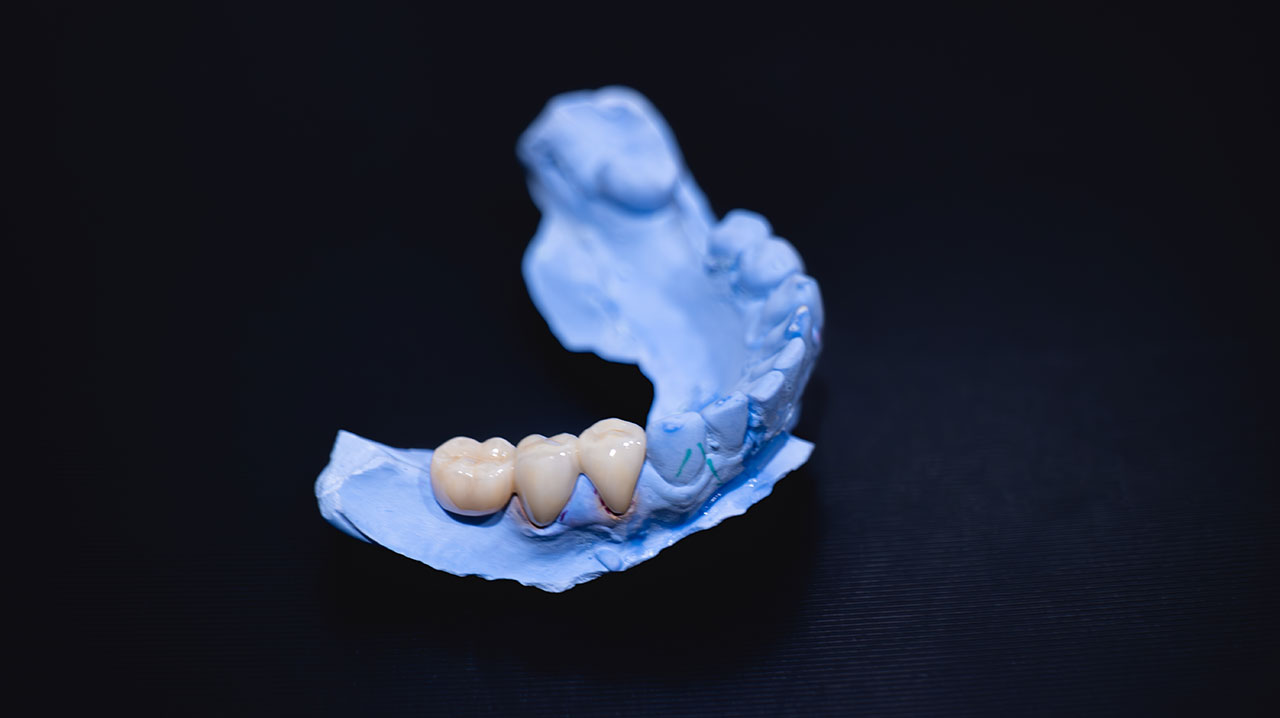
A dental bridge is a restoration used to span the space created by one or more missing teeth. The replacement tooth, sometimes called a pontic, occupies the open space. Meanwhile, nearby teeth or dental implants provide support for the bridge.
With a traditional dental bridge, teeth next to the gap are prepared for crowns. Those crowns become anchors for the replacement tooth between them. Once the bridge is securely placed, the restoration functions as one connected unit.
Dental bridges are carefully designed to complement the size, shape, and shade of nearby teeth. As a result, the restoration can restore function without drawing unnecessary attention to the area where a tooth was lost.
Because every pattern of tooth loss is different, the exact design of dental bridges depends on the location of the missing tooth, the condition of neighboring teeth, bite forces, gum health, and the amount of support available.
Why Replacing a Missing Tooth Matters
It can be tempting to leave an empty space alone, particularly when the missing tooth is toward the back of the mouth. However, teeth work together as a system. When one is removed, the surrounding teeth may gradually respond to the open space.
Neighboring teeth can begin to tilt or drift toward the gap. In addition, a tooth in the opposite arch may move farther into the space because it no longer has a partner to bite against. These changes can alter how chewing forces are distributed.
A missing tooth may also make certain foods more difficult to chew. Meanwhile, food can become trapped around the open area or shifting teeth, which may make daily cleaning more challenging.
Replacing the tooth with dental bridges can restore contact in the bite and occupy the space before unwanted movement becomes more significant. Therefore, tooth replacement is about more than appearance. It can also help preserve comfortable function and the organization of the remaining smile.
Who May Be a Candidate for Dental Bridges?
Dental bridges may be considered for adults who are missing one tooth or several neighboring teeth. However, the supporting structures must be healthy enough to hold the restoration.
A dentist may evaluate several factors before recommending dental bridges, including:
- The number of missing teeth
- The health of teeth next to the space
- The amount of remaining tooth structure
- Gum and periodontal health
- The way the upper and lower teeth come together
- Clenching or grinding habits
- The patient’s oral hygiene routine
- Whether dental implants are another reasonable option
If neighboring teeth already need crowns because they are weakened, heavily restored, or damaged, a traditional bridge may provide an efficient way to restore the supporting teeth while replacing the missing tooth.
However, if the surrounding teeth are completely healthy, other options may also be worth discussing. Treatment planning should balance preservation of natural tooth structure, function, long-term maintenance, patient preference, and budget.
Types of Dental Bridges
Not every bridge is constructed in exactly the same way. Several designs exist, and the appropriate choice depends on the location and condition of the teeth.
Traditional Dental Bridges
Traditional dental bridges use crowned teeth on either side of the missing space for support. This is one of the most familiar bridge designs and can provide strong support in many areas of the mouth.
Cantilever Dental Bridges
A cantilever bridge gains support primarily from one side of the missing space. Because this places different forces on the supporting tooth, it is not appropriate for every location.
Maryland-Style Bridges
This type of bridge may use wings bonded to the backs of neighboring teeth instead of full crowns. It is sometimes considered for specific areas, particularly when minimizing tooth preparation is important.
Implant-Supported Bridges
When several teeth are missing, dental implants may be used to support a bridge instead of relying on natural teeth. Patients interested in this approach can also learn more about dental implants and how implant-supported restorations work.
The dentist determines which bridge design provides suitable support without creating unnecessary stress on the surrounding structures.
What Happens During the Dental Bridge Process?
The process begins with a detailed dental examination. The dentist evaluates the gap, nearby teeth, gums, bite, and underlying bone. Dental images may also be used to identify concerns that are not visible during a routine examination.
If a traditional dental bridge is selected, the supporting teeth are carefully prepared. A portion of the outer tooth structure is shaped to create space for the crowns that will anchor the bridge.
Next, impressions or digital scans are taken. These records help a dental laboratory create a restoration that matches the mouth accurately. The dentist may also select a tooth shade that coordinates with nearby natural teeth.
A temporary bridge may be placed while the permanent restoration is being made. This temporary restoration helps protect the prepared teeth and maintain appearance during the fabrication process.
At the final appointment, the permanent dental bridge is checked for fit, appearance, and bite. Small adjustments may be made before it is secured. Once complete, patients receive instructions for cleaning around and beneath the restoration.
Benefits of Dental Bridges
Dental bridges can solve several problems caused by tooth loss at the same time. Their potential advantages include:
- Replacing missing teeth: Dental bridges fill visible and functional gaps in the smile.
- Restoring chewing contact: Replacement teeth help distribute biting forces across the mouth.
- Supporting clearer speech: Teeth play an important role in forming certain sounds.
- Helping limit tooth movement: Filling an open space can reduce opportunities for neighboring teeth to drift.
- Providing a fixed restoration: Traditional dental bridges remain in place and are not removed for everyday meals.
- Creating a natural appearance: The restoration can be customized to coordinate with surrounding teeth.
- Restoring damaged supporting teeth: Teeth that already need crowns can sometimes serve as bridge anchors.
- Offering an alternative to removable tooth replacement: Some patients prefer a fixed option rather than a partial denture.
Dental bridges do not prevent every future dental problem. However, when they are well planned and properly maintained, they can provide stable tooth replacement and help patients return to a more complete bite.
Dental Bridge or Dental Implant?
Patients replacing one missing tooth often ask whether a bridge or implant is better. There is no universal answer because each approach has different considerations.
A dental bridge uses neighboring teeth for support and does not necessarily require implant surgery. Therefore, treatment may be appealing when adjacent teeth already need crowns or when implant placement is not preferred.
A dental implant, in contrast, replaces the missing tooth root and generally does not require preparation of neighboring teeth. However, implants require sufficient bone and healthy tissues, and the treatment process includes a healing period.
Dental bridges may also be appropriate when medical, anatomical, financial, or timing considerations make implant treatment less practical. Meanwhile, an implant may offer advantages for patients who want an independent replacement for a single missing tooth.
The most useful comparison is based on the patient’s actual mouth. A restorative consultation allows the dentist to evaluate both possibilities rather than choosing based on general assumptions.
How Long Do Dental Bridges Last?
Dental bridges are designed to be durable, but they do not have a guaranteed lifespan. How long they last depends on the health of the supporting teeth, the condition of the gums, bite forces, material, oral hygiene, and daily habits.
One of the most important factors is preventing decay around the supporting teeth. Although the bridge itself cannot develop a cavity, the natural teeth underneath the crowns remain vulnerable where restoration edges meet tooth structure.
Gum health is equally important. Plaque and food can collect beneath the replacement tooth if the area is not cleaned thoroughly. Therefore, patients must learn how to clean under dental bridges instead of relying on ordinary brushing alone.
Regular dental examinations allow the dentist to monitor the bridge, supporting teeth, bite, and surrounding tissues. Small concerns can often be addressed more easily when they are detected early.
How Do You Clean Under a Dental Bridge?
Because the replacement tooth is connected to the supporting crowns, traditional floss cannot simply pass down between each part of the bridge. However, several tools can help patients clean beneath it.
Options may include:
- Floss threaders
- Specialized bridge floss
- Interdental brushes
- Water flossing devices
- Other tools recommended by the dental hygiene team
The goal is to remove plaque and food from underneath the replacement tooth and around the gumline of the supporting teeth. Brushing twice daily with fluoride toothpaste remains important as well.
Patients who are unsure how to clean their dental bridges should ask for a demonstration during a hygiene appointment. A technique that feels complicated at first often becomes simple with practice.
What Can Damage a Dental Bridge?
Dental bridges are made to handle normal chewing. However, excessive forces can increase the risk of damage.
Patients should avoid using their teeth to open packages, crack nuts, chew ice, or bite other very hard objects. In addition, people who grind or clench their teeth may place unusually strong forces on the bridge and supporting teeth.
If grinding is suspected, the dentist may discuss a protective night appliance. Meanwhile, maintaining routine dental cleanings and examinations can help identify wear before it leads to a larger problem.
How Do You Know if a Dental Bridge Needs Attention?
A bridge should feel stable and comfortable. Contact the dental office if you notice persistent soreness, a loose sensation, pain when chewing, swelling near a supporting tooth, a new bad taste, or visible damage.
Food repeatedly becoming trapped beneath a bridge can also be worth discussing. In addition, flossing or cleaning may reveal bleeding gums around the restoration.
Some bridge problems develop without obvious symptoms. This is another reason preventive examinations remain important even when the restoration feels completely normal.
Can Dental Bridges Look Natural?
Modern dental materials allow dental bridges to be designed with careful attention to tooth shade, shape, proportion, and alignment. The dentist also considers how the bridge fits with the patient’s existing smile.
For front teeth, appearance may be a major priority. For back teeth, strength and chewing function may receive additional emphasis. However, both appearance and function matter in every area.
A well-designed bridge should not simply fill a hole. Instead, it should complement the surrounding teeth and restore the space in a way that feels appropriate for the patient’s bite.
Restore Your Smile With Dental Bridges in McHenry
Missing teeth can gradually affect much more than the appearance of your smile. Dental bridges can restore an open space, support chewing, improve bite continuity, and help prevent unwanted movement of nearby teeth. Because several types of tooth replacement are available, a personalized examination is the best way to determine whether a bridge fits your needs.
If you are considering dental bridges in McHenry, call Unique Smiles of McHenry at (815) 385-0777. Visit us at 4101 W Shamrock Ln, McHenry, IL 60050, or Book an Appointment to explore a personalized solution for missing teeth.