Seeing pink in the sink after brushing can be easy to dismiss, especially when there is little or no discomfort. However, gums that bleed repeatedly may be signaling inflammation beneath the surface. In some cases, a routine cleaning is enough to support healthier gums. In other cases, a more thorough deep cleaning may be recommended to remove buildup from below the gumline.
A deep cleaning, also known as scaling and root planing, is different from a standard preventive cleaning. It is used when plaque and hardened tartar have collected around the roots of teeth and gum disease has created deeper spaces between the teeth and gums. Because bleeding can have several causes, the right treatment begins with an examination rather than an assumption.
Why Do Gums Bleed?
Healthy gums are generally firm and do not bleed easily during gentle brushing or flossing. When plaque remains along the gumline, bacteria can irritate the tissue. The gums may become red, puffy, tender, or more likely to bleed. This early inflammation is often called gingivitis.
Bleeding may also occur when someone begins flossing after a long break, brushes too aggressively, uses a hard-bristled toothbrush, or has an irritated area around a tooth. Certain health conditions and medications can affect gum tissue or bleeding as well. Therefore, one isolated episode does not automatically mean a patient needs a deep cleaning.
Persistent bleeding is different. If the gums bleed most days, look swollen, recede, or are accompanied by ongoing bad breath, professional evaluation is important. Gum disease can progress quietly, and discomfort may not appear until the condition is more advanced.
What Is the Difference Between a Regular Cleaning and a Deep Cleaning?
A routine dental cleaning is preventive. It removes plaque, tartar, and surface stains from the teeth, with a focus on areas above and slightly around the gumline. These visits are intended to help patients maintain healthy teeth and gums before periodontal disease becomes established.
A deep cleaning is therapeutic. It is recommended when the supporting tissues around the teeth show signs of gum disease and buildup extends farther below the gumline. During scaling, the dental professional removes plaque and tartar from tooth surfaces and periodontal pockets. During root planing, rough areas on the roots are smoothed to make it more difficult for bacteria to collect and to help the gums heal against cleaner surfaces.
The terms may sound similar, but the goals are different. A routine cleaning maintains health, while a deep cleaning treats active disease. Simply scheduling more frequent standard cleanings may not adequately reach deeper deposits around the roots.
How Does a Dentist Decide Whether Deep Cleaning Is Needed?
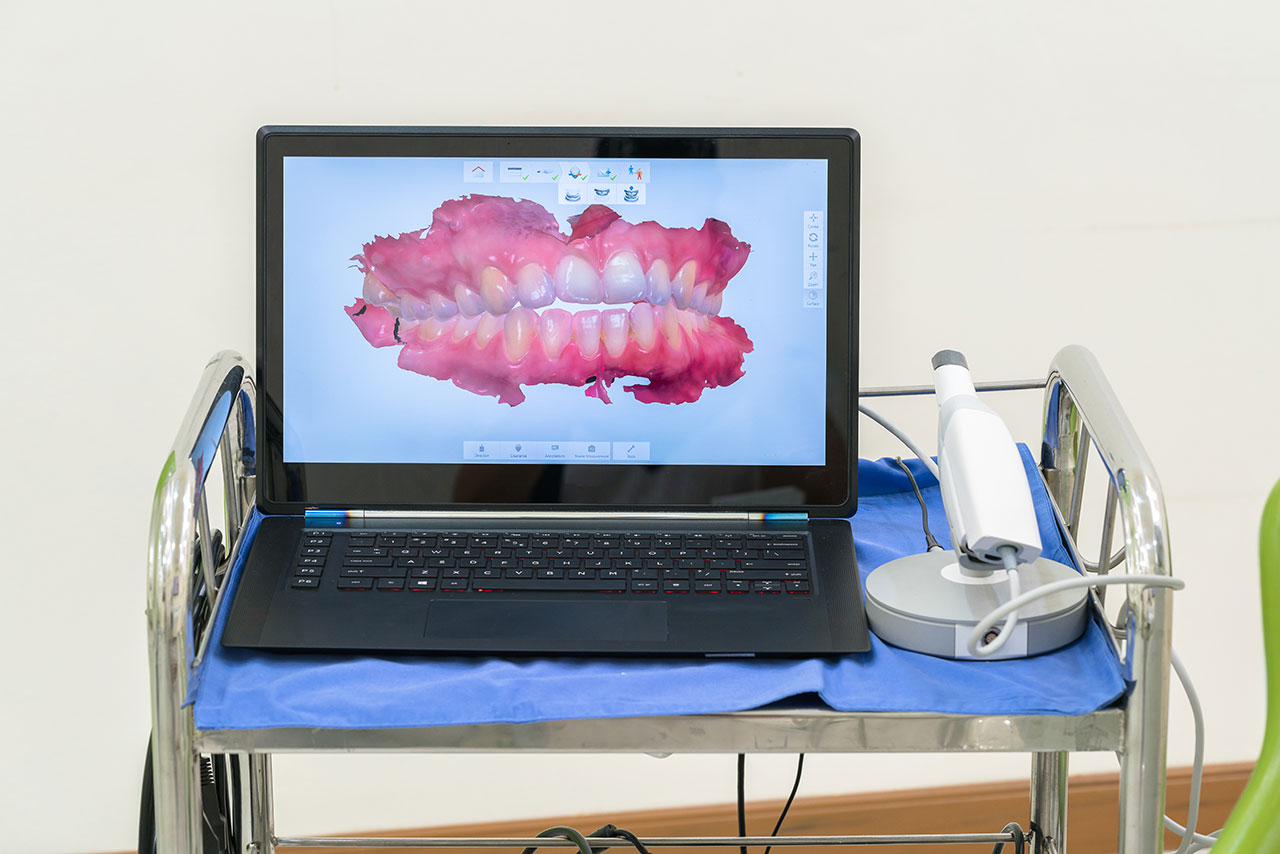
The recommendation is based on several findings rather than bleeding alone. The dental team evaluates the appearance of the gums, measures the spaces around the teeth, checks for tartar below the gumline, reviews dental images when needed, and assesses the bone that supports the teeth.
Measurements around each tooth help show whether the gums are closely attached or whether deeper periodontal pockets have developed. The dentist may also look for recession, tooth mobility, inflammation, and changes in the bite. Together, these details provide a clearer picture of periodontal health.
A patient with mild gingivitis and shallow measurements may benefit from a standard cleaning, improved home care, and close monitoring. However, deeper pockets, root surface buildup, or evidence of supporting bone changes may make a deep cleaning more appropriate.
Signs That May Point to Gum Disease
Gum disease does not look the same in every patient. Some people notice several symptoms, while others have few obvious concerns. Possible signs include:
- Gums that bleed during brushing or flossing
- Red, swollen, or tender gum tissue
- Persistent bad breath or an unpleasant taste
- Gums that appear to pull away from the teeth
- Teeth that look longer because of recession
- Pus or drainage near the gumline
- New spaces developing between teeth
- Changes in how the teeth fit together
- Loose teeth in more advanced cases
These signs deserve attention, but they do not replace a diagnosis. For example, bad breath can come from dry mouth, tongue coating, decay, or other causes. A periodontal evaluation helps identify whether a deep cleaning addresses the actual problem.
What Happens During Scaling and Root Planing?
Before treatment begins, the dental team explains the areas involved and the recommended plan. Local anesthetic may be used to keep the gums and teeth comfortable. Depending on the extent of gum disease, treatment may be completed in one appointment or divided by sections of the mouth.
Specialized instruments are used to remove hardened deposits from above and below the gumline. The root surfaces are then carefully cleaned and smoothed. Because deep cleaning reaches areas that cannot be accessed with a toothbrush, floss, or a routine polish, it can reduce the bacterial burden around affected teeth.
Afterward, the dental team may provide individualized instructions for brushing, interdental cleaning, rinsing, or other supportive care. A follow-up visit is often important so the gums can be re-evaluated after healing. The response to treatment helps guide the ongoing maintenance schedule.
Benefits of Deep Cleaning
Deep cleaning is intended to control periodontal infection and create conditions that support healthier gum tissue. When it is recommended at the appropriate time, the benefits can include:
- Removal of hidden buildup: Scaling reaches plaque and tartar below the gumline where home tools cannot clean effectively.
- Reduced gum inflammation: Cleaner tooth and root surfaces can help swollen tissues settle.
- Less bleeding: As inflammation improves, bleeding during gentle brushing and flossing may decrease.
- Fresher breath: Removing bacteria and deposits around periodontal pockets may improve persistent oral odor.
- Protection for tooth support: Treating gum disease can help slow damage to the tissues and bone that hold teeth in place.
- Smoother root surfaces: Root planing reduces rough areas that can harbor additional buildup.
- A personalized maintenance plan: Follow-up measurements help the dental team determine how often periodontal care is needed.
- Better home-care access: Reduced inflammation can make daily cleaning more comfortable and effective.
Deep cleaning does not permanently cure susceptibility to gum disease. Instead, it helps control active disease. Long-term results depend on home care, professional maintenance, tobacco avoidance, management of relevant health factors, and consistent monitoring.
Will a Deep Cleaning Hurt?
Comfort is a common concern. Because the treatment works below the gumline, local anesthetic is often used. Patients may feel pressure or vibration, but the goal is to minimize sharp discomfort during care.
After a deep cleaning, the gums can feel tender, and the teeth may be temporarily sensitive to temperature. Mild bleeding can also occur during the early healing period. These effects often improve as the tissues recover. The dental team may suggest specific ways to manage sensitivity and keep the area clean.
Intense pain, increasing swelling, fever, or symptoms that do not improve should be reported promptly. Patients should also follow any eating, rinsing, or medication instructions provided for their individual situation.
What Happens After Deep Cleaning?
The first phase after treatment is healing. Plaque control is especially important because fresh buildup can interfere with the gums’ response. Patients should brush gently but thoroughly and clean between teeth according to the dental team’s guidance.
A periodontal re-evaluation may be scheduled after the tissues have had time to respond. At that visit, the team can check bleeding, inflammation, pocket measurements, and overall stability. Some areas may respond very well, while deeper or more complex sites may need additional periodontal care.
Ongoing visits after deep cleaning are often called periodontal maintenance. These appointments are different from ordinary cleanings because the patient has a history of periodontal disease. The team monitors previously affected areas and cleans above and below the gumline as needed. The schedule is based on disease severity, healing, home care, and individual risk.
Why Periodontal Maintenance Matters
Gum disease can return or progress if bacteria and tartar rebuild around susceptible teeth. Therefore, completing a deep cleaning is not the end of periodontal care. Maintenance appointments are a central part of protecting the improvements achieved during treatment.
Some patients need visits more often than the traditional twice-yearly schedule. This does not mean treatment failed. Rather, shorter intervals may help control buildup before it causes another cycle of inflammation. The plan can be adjusted over time based on periodontal measurements and stability.
At home, consistent cleaning is equally important. The dental team may recommend floss, interdental brushes, a water flosser, or other tools depending on tooth spacing and pocket locations. The best tool is one the patient can use correctly and consistently.
Can Better Brushing Replace a Deep Cleaning?
Improved home care is essential, but it cannot remove hardened tartar. Once plaque mineralizes and attaches to the tooth or root, professional instruments are needed. Brushing and flossing can help prevent new accumulation, yet they cannot fully clean established deposits in deep periodontal pockets.
For mild gum inflammation without deeper disease, better daily care combined with a routine cleaning may be enough. However, when examination findings show tartar and disease below the gumline, delaying a recommended deep cleaning can allow the condition to continue.
The most effective approach combines professional treatment with excellent home habits. One supports the other. Deep cleaning removes deposits that are already present, while daily care helps slow their return.
How Gum Health Connects With the Rest of the Mouth
Gums and teeth function as one system. Inflamed or receding gums can expose roots, create sensitivity, and reduce support around teeth. As periodontal disease progresses, chewing comfort and tooth stability may also change.
In addition, ongoing gum inflammation has been associated with several broader health conditions. This does not mean gum disease directly causes every medical concern, or that periodontal treatment replaces medical care. However, maintaining gum health is a reasonable part of caring for overall wellness, particularly for patients managing chronic conditions.
Patients should share relevant health information and medication changes with both their dental and medical providers. Coordinated care supports safer, more personalized recommendations.
Frequently Asked Questions About Deep Cleaning
Does bleeding always mean I have periodontal disease?
No. Bleeding can result from inflammation, aggressive brushing, a new flossing routine, medications, or other factors. Persistent bleeding should be evaluated so the cause can be identified.
How many appointments does deep cleaning require?
The number depends on how many areas are affected, the depth of the deposits, and patient comfort. Treatment may be completed in one visit or divided into sections.
Can gums grow back after scaling and root planing?
Deep cleaning can reduce inflammation and help the gums fit more closely around cleaner roots. However, tissue and bone already lost to periodontal disease do not always fully return. Early treatment is therefore valuable.
Will my teeth feel different afterward?
Teeth may feel smoother, and spaces can seem more noticeable as swelling decreases. Temporary sensitivity is also possible. The dental team can explain which changes are expected for the individual patient.
Healthier Gums Begin With the Right Evaluation
Bleeding gums are common, but they should not be considered normal when they continue. Sometimes the solution is a routine cleaning and improved home care. In other cases, a deep cleaning is needed to reach buildup below the gumline and control periodontal disease. An examination provides the information needed to choose the right level of care.
For a gum health evaluation in McHenry, call Unique Smiles of McHenry at (815) 385-0777. Visit our team at 4101 W Shamrock Ln, McHenry, IL 60050, or book an appointment to find out whether deep cleaning may help protect your smile.